
Pet preventive care focuses on reducing health risks before they turn into illness. Vaccinations, parasite protection, screening tests, and other proactive steps help dogs and cats stay protected as their lives change.
At Broadway Veterinary Hospital, preventive vet care is tailored to each patient instead of following one schedule for every pet. A pet’s age, medical history, home setting, contact with other animals, and daily routine all help determine which measures make sense.
In Seattle, those details often include apartment or condo living, shared hallways and courtyards, daycare and grooming visits, rainy weather for much of the year, and weekend trips to the mountains or islands.
In short, we look for avoidable risks and match protection to the way your pet actually lives.
Preventive Care Services for Pets in Seattle, WA
Preventive care for pets is aimed at problems that are easier to head off than to treat. Depending on the patient, our preventive care services for pets may include:
- Core and lifestyle vaccinations
- Flea and tick prevention
- Heartworm protection when risk exists
- Intestinal parasite testing
- Advice before daycare, grooming, and trips
- Additional steps based on exposure and health history
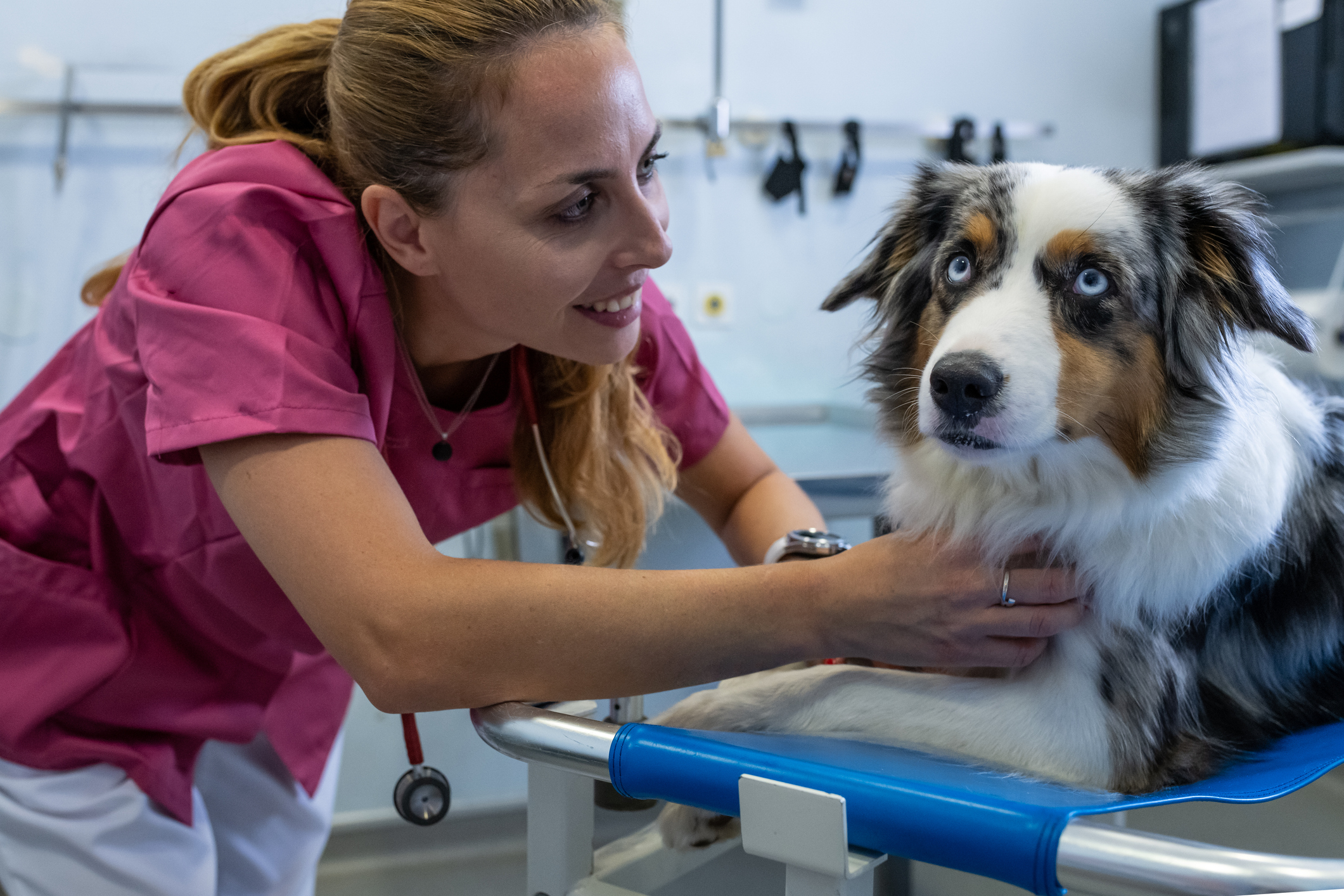
Pet wellness exams, also called annual vet exams, sit at the center of preventive veterinary care. During a visit, the veterinarian looks over your pet from nose to tail, compares notes with past records, and hears what you have seen at home. Vet preventive care then applies those findings to decisions about vaccines, parasite control, and screening.
This page concentrates on those proactive protections, while the exam itself is available as its own service.
Pet Vaccinations Matched to Seattle’s Social Pet Life
Vaccines guard against illnesses that pass between animals or linger in shared spaces. For dogs, recommendations commonly include rabies, distemper, and parvovirus, with other vaccines added according to risk. Cats have their own needs, shaped by age, household, outdoor access, and contact with other cats.
Puppies and kittens usually start with a series of shots while their immune systems mature, and adults may need boosters or updates as circumstances change.
Seattle’s lifestyle matters here. Daycare, boarding, grooming, busy sidewalks, and shared buildings can all raise the chance of meeting other animals, so vaccine plans are adjusted for how social a pet actually is. Many daycares, groomers, and sitters ask for proof of vaccination, so keeping dated records handy saves time before a first booking. Asking a groomer or sitter about their own parasite practices is reasonable too.
Flea, Tick, and Parasite Prevention in Seattle’s Rainy Climate
Seattle’s mild, damp weather means parasites can remain a concern across most seasons. Fleas cause itching and skin irritation, ticks can carry disease, and mosquitoes can spread heartworm. Intestinal parasites may be picked up from soil, puddles, wildlife droppings, or other animals.
Heated apartments can keep fleas comfortable even in colder months, and trips to wooded or grassy areas outside the city can increase tick exposure.
A typical plan pairs flea and tick products with stool testing and adds heartworm protection only where risk exists, all chosen around your pet’s habits. Because travel changes risk, tell your veterinarian where your pet goes. Rinsing paws after walks and washing pet bedding regularly also help keep fleas from settling into an apartment.
When City Life Changes Your Pet’s Preventive Vet Care
A preventive plan may need updating even when a pet seems perfectly healthy. Check in with us when a pet:
- Starts daycare, grooming visits, or boarding
- Moves to a new apartment or a home with a yard
- Starts regular getaways to the Cascades, coast, or islands
- Gets a new animal housemate
- Is adopted with an unknown vaccine history
These details may seem small, yet they can change what is recommended.
Local Health Considerations for Capitol Hill Pets
Capitol Hill combines dense housing, busy streets, and green spaces such as Volunteer Park and Cal Anderson Park. Pets here may share lawns, elevators, and sidewalks with many other animals, and wildlife such as raccoons and rats can use alleys and yards.
Indoor cats are less exposed but not unaffected, since fleas and other problems can arrive on clothing or with visiting pets.
When you meet with Seattle vets, sharing where your pet walks, who it spends time with, and how it travels helps the team make recommendations that are specific rather than generic.
Veterinary Services in Seattle, WA From Puppyhood to the Senior Years
Young pets typically need vaccine series and early parasite protection. Adults may need adjustments as work schedules, travel, and housing change. Senior pets continue to benefit from prevention, and our blog on senior pet care looks at how care shifts in later years.
If an exam finds another concern, pet dental services or other veterinary services in Seattle, WA can be recommended for that specific need. This keeps preventive care, dentistry, diagnostics, and treatment working together without blurring the purpose of each.
Your Trusted Vets in Seattle, WA
Broadway Veterinary Hospital provides vet exams in Seattle, WA, for dogs and cats, and has served Capitol Hill and surrounding neighborhoods since 1986. We are an AAHA-accredited, family-centric small animal practice.
If you are comparing vets in Seattle, WA, ask how each practice adapts prevention to apartment life; ours matches recommendations to meaningful risks rather than adding extras. Questions are always welcome, and you can reach us through our contact page at any time.
Schedule Pet Preventive Care With Broadway Veterinary Hospital
Preventive plans work best when they keep pace with life. A new daycare, a move, or a change in travel habits is a good moment to review what is current.
Contact Broadway Veterinary Hospital to schedule a visit and make sure your pet’s vaccines, parasite protection, and screenings are up to date.
Pet Preventive Care FAQs for Seattle Owners
Does an indoor apartment cat still need preventive care?
Yes. Indoor cats can be exposed through open doors, visiting pets, or pests, so vaccine and parasite recommendations depend on housemates, outdoor access, and health history.
Should my dog’s vaccines change when we start daycare?
They might. Daycare increases contact with other dogs, so your veterinarian may suggest additional vaccines and will want records current before the first stay.
Do rainy winters affect flea and tick prevention in Seattle?
They can. Mild, damp weather and heated homes help fleas survive through the colder months, so many pets benefit from steady protection rather than a seasonal pause.
Can dogs pick up parasites at Volunteer Park or Cal Anderson Park?
It is possible. Shared lawns collect droppings from many dogs, so stool testing, parasite prevention, and keeping your dog from eating things off the ground all help.
How often should my pet’s plan be reviewed after a move or a new trip routine?
Preventive plans can be reviewed at routine visits and any time housing, travel, or social contact changes, such as a move or regular mountain weekends.
